
Tag: telefonica

  • Rumors Suggest Base May Also Disappear After E-Plus

    Rumors Suggest Base May Also Disappear After E-Plus


    Rumors Suggest Base May Also Disappear After E-Plus


    The German mobile market in 2015 is shifting fast. First came the E-Plus and o2 merger under Telefónica. Now, according to a report in manager magazin, the Base brand may also be heading for the exit. If true, it marks another chapter in Telefónica’s strategy of slimming down its brand portfolio and sharpening its focus.

    For longtime customers, this feels like the end of an era. For Telefónica, it’s simply the next step toward efficiency and clarity.


    Why Brand Consolidation Matters


    E-Plus has already stopped launching new products, a quiet signal that the brand was living on borrowed time. Now Base may follow. Instead of juggling multiple overlapping names, Telefónica wants to streamline around fewer, stronger brands—most likely o2 as the flagship.

    The thinking makes sense from a business standpoint. Multiple brands mean multiple campaigns, customer portals, and service centers. For users, that can be confusing. For Telefónica, it adds cost and complexity. Consolidating clears the clutter.

    But branding is not just spreadsheets and logos—it’s emotional. Many customers identify strongly with Base. For them, the thought of losing that identity might sting.


    What Base Customers Can Expect


    If you’re holding a Base contract right now, don’t worry—your service doesn’t suddenly vanish. Typically, brand retirements work quietly in the background:

    • Your monthly bill may change its label from Base to o2.
    • Websites and apps may redirect you to new portals.
    • You may see migration offers—discounts or upgraded plans designed to make the transition feel like a win.

    From the customer’s perspective, it’s usually seamless. Your SIM card keeps working, your plan continues. The difference is mostly cosmetic, though it’s worth keeping an eye on any new offers to make sure you’re not missing out.


    Why Now?


    Telefónica’s acquisition of E-Plus gave it the scale to compete with Telekom and Vodafone. But scale comes with baggage: a tangle of brands aimed at similar audiences. In today’s hyper-competitive market, clarity matters. Customers want simple, transparent choices.

    By focusing on o2 and perhaps a minimal set of sub-brands, Telefónica can:

    • Present a simpler face to the market.
    • Cut overhead and reinvest in the network.
    • Reduce customer confusion.

    It’s a tough balancing act: efficiency on one side, nostalgia on the other.


    The Bigger Picture


    Base is not alone. Simyo and other niche names may eventually meet the same fate. Across Europe, we’ve seen the same playbook: consolidate acquisitions under one or two strong brands. Germany in 2015 is following the same script.

    The result? A market with fewer logos, but stronger players. Telefónica is betting that customers care more about LTE speeds and competitive pricing than the name on their bill.


    Looking Ahead


    Some insiders believe that by the end of 2015, Telefónica’s consumer-facing portfolio in Germany will essentially revolve around o2, with only a handful of discount labels left to serve specific segments.

    For customers, the main question is not “what brand am I under?” but “does my phone connect reliably, and is my data package good value?” If Telefónica delivers on coverage and speed, Base may not be missed as much as some think.


    Conclusion


    Rumors about Base disappearing highlight the direction of Germany’s mobile market in 2015: fewer brands, sharper focus, and tougher competition. It may feel nostalgic to see names like E-Plus and Base fade, but the real story is in what replaces them.

    For subscribers, the essentials remain—your contract, your service, your connectivity. What changes is the brand you see at the top of your bill. The real test for Telefónica is whether this shift translates into better networks, simpler choices, and stronger value for customers.

    Because at the end of the day, the brand is important—but coverage, speed, and price still win the race.

    Stay clever. Stay responsible. Stay scalable.
    Your Mr. Microsoft,
    Uwe Zabel


    #Telefónica #Base #EPlus #o2 #BrandConsolidation
  • O2–E-Plus: Building Germany’s Densest Mobile Network

    O2–E-Plus: Building Germany’s Densest Mobile Network


    O2–E-Plus: Building Germany’s Densest Mobile Network


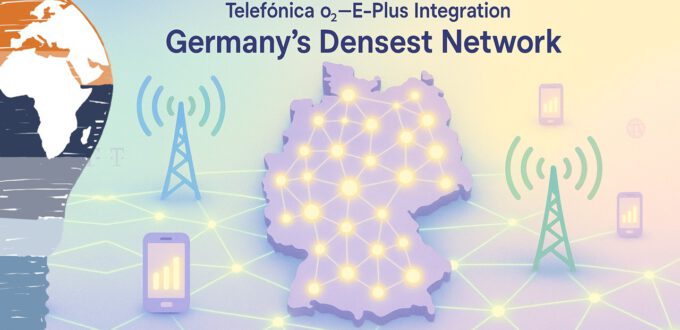
    Telefónica Deutschland is moving fast. The company is merging the o2 and E-Plus networks into one of the densest mobile footprints Germany has ever seen. The goal is simple: stronger LTE coverage, fewer dead zones, and smoother connectivity for millions of customers.

    For users in test regions, the future is already here. Phones are roaming seamlessly between o2 and E-Plus towers without extra charges or confusing settings. If this continues nationwide, the German mobile landscape could shift dramatically.


    Merging Two Networks for Better Coverage


    Telefónica explains that by combining two formerly separate infrastructures, customers gain access to a richer pool of base stations. Where o2 has gaps, E-Plus fills them—and vice versa. Together, the networks create a grid that is tighter, more reliable, and more capable of handling peak demand.

    This isn’t just about stacking towers. Integration also means Telefónica can retire redundant sites, repurpose capacity, and deliver better performance in congested areas. The result: fewer dropped calls and a more consistent 4G LTE signal across cities and rural regions alike.


    A Rapid Timeline for Integration


    The promise is speed—not just in megabits per second, but in rollout. Telefónica says customers will see benefits within the first half of 2015. In pilot areas, roaming is already live. A nationwide expansion is on the horizon.

    At the same time, brand questions loom. Industry insiders hint that the E-Plus name may disappear, even though its towers remain active. Whether you carry an o2 SIM or an E-Plus contract, you will soon be riding on the same unified network.


    What “Extremely Dense” Really Means


    Executives describe the new network as “extremely dense,” translating from the German term engmaschig. The idea is to fill holes in rural coverage, boost indoor penetration, and ensure a reliable LTE connection wherever customers go.

    For travelers and business users, this density matters. Fewer blind spots mean fewer interruptions, smoother navigation, and more reliable access to email, cloud apps, or video calls while on the road.


    Implications for Consumers and Businesses


    For everyday users, a dense grid of cell sites means fewer drops to 3G or 2G and more consistent LTE. Streaming music on a train, uploading photos on holiday, or navigating through a city feels faster and smoother.

    For enterprises, stronger and denser coverage unlocks new possibilities. Mobile workforces, logistics teams, and sales staff can rely on stable connections without worrying about coverage gaps. This makes Telefónica more competitive not just against Telekom and Vodafone, but also in winning large corporate accounts.


    Competition and Challenges


    Telekom and Vodafone still lead Germany’s coverage maps, but Telefónica is betting that integration will narrow the gap quickly. The challenge is enormous: aligning back-end systems, optimizing frequencies, and communicating clearly with customers as brands consolidate.

    Handled well, the transition could be nearly invisible. Most users may never notice the technical work behind the scenes—except in one way: their phones simply stay connected more often.


    Conclusion: A Dense Future in the Making


    Telefónica’s ambition to create Germany’s densest mobile network through the o2–E-Plus merger is more than a press release—it is happening right now. Customers in 2015 are starting to feel the benefits: stronger signals, fewer dead zones, and better LTE performance.

    If the rollout continues at this pace, the market could see a serious shake-up. A denser, smarter network means a stronger third player, and that is good news for competition—and for every mobile customer in Germany.

    Stay clever. Stay responsible. Stay scalable.
    Your Mr. Microsoft,
    Uwe Zabel


    #o2 #EPlus #Telefónica #NetworkIntegration #Engmaschig

  • Telefónica Germany CEO Thorsten Dirks: “We Are Up Front”

    Telefónica Germany CEO Thorsten Dirks: “We Are Up Front”


    Telefónica Germany CEO Thorsten Dirks: “We Are Up Front”


    In February 2015, Thorsten Dirks, CEO of Telefónica Deutschland, sat down with the Rheinische Post and outlined the company’s next steps after its landmark merger with E-Plus. His comments confirmed two major moves: the E-Plus brand would disappear, and Düsseldorf would remain a central hub for the combined business. For Germany’s telecom market, this was more than a rebrand—it was the start of a new chapter in competition with Deutsche Telekom and Vodafone.


    Farewell to the E-Plus Brand


    For years, E-Plus had been a familiar name in German mobile. But as Dirks explained, brand fragmentation no longer made sense. Telefónica planned to streamline its product portfolio under fewer names, with o2 becoming the central consumer brand.

    The reasoning was simple: multiple overlapping offers risked confusing customers. Consolidating under one identity creates a clearer, stronger brand presence and allows marketing to focus. From a business perspective, fewer brands also mean cost savings in advertising, distribution, and customer service.

    For loyal E-Plus customers, the change felt like the end of an era. Contracts and services, however, remained valid—just under Telefónica’s umbrella. Over time, those customers would see more o2-centric offers, new promotions, and unified communication.


    Commitment to Düsseldorf


    The disappearance of E-Plus sparked questions about jobs and corporate presence in Düsseldorf. Dirks was clear: the city would continue to play a vital role. Many employees had worried that consolidation would trigger relocations, but Telefónica’s CEO reassured them that Düsseldorf’s talent pool and infrastructure remained essential.

    The decision carried symbolic weight. By confirming Düsseldorf as a strategic base, Telefónica underlined that integration would not just be about cutting costs, but also about strengthening roots in a region with proven telecom expertise.


    Network Expansion and Customer Strategies


    Dirks emphasized that integration is not only about logos—it’s about network quality. By combining the E-Plus and o2 networks, Telefónica aimed to give customers a stronger footprint, better indoor coverage, and smoother performance across frequency bands.

    Two focus areas stood out:

    • Improved coverage for consumers: Customers should notice a larger, more reliable network as the integration of infrastructure progressed.
    • Stronger position in business markets: Telefónica wanted to sharpen its offerings for enterprise clients, promising robust connectivity solutions and a clearer product portfolio.

    For business customers, the simplification could mean fewer questions about which brand to choose, and more emphasis on competitive data packages and reliable service.


    Customer Experience: Gains and Trade-Offs


    For everyday users, the changes came with both upsides and potential concerns. On the positive side, consolidation promised less brand confusion, competitive rates, and better coverage as the combined networks matured. But brand nostalgia lingered. E-Plus had built its own community of loyal customers, and phasing out the name risked alienating some of them.

    Rebranding also carried operational challenges: new store signage, refreshed websites, and customer education. Yet, as Dirks argued, long-term clarity outweighed short-term friction.


    Why “We Are Up Front” Matters


    Dirks’ statement, “We are up front“, was more than a slogan. It signaled Telefónica’s intent to move from being perceived as a budget challenger to positioning itself alongside Deutsche Telekom and Vodafone as a true market leader.

    With a massive combined customer base, Telefónica had the scale to compete directly. The big question was whether network integration and service quality could match the expectations of both consumers and enterprises. If the promises materialized, customers stood to benefit from stronger competition in Germany’s mobile market.


    Conclusion


    By 2015, Telefónica Deutschland was no longer juggling multiple brands. Under Thorsten Dirks’ leadership, the company committed to merging E-Plus into o2, securing Düsseldorf as a strategic base, and investing in network expansion. For customers, the outcome promised stronger coverage, clearer offers, and potentially better pricing.

    The E-Plus name might fade from store fronts, but its legacy lives on in a combined network designed to challenge the dominance of Telekom and Vodafone. For the German market, this consolidation marked a shift toward fewer—but stronger—players.

    Stay clever. Stay responsible. Stay scalable.
    Your Mr. Microsoft,
    Uwe Zabel


    #Telefónica #EPlus #o2 #Fusion #Düsseldorf #NetworkExpansion